
In today’s energy-conscious world, both consumers and businesses are paying closer attention to electricity usage. For distributors, wholesalers, and brand owners in the home appliance industry, understanding which appliances consume the most power is essential—not only for meeting market demand but also for developing energy-efficient product lines.
This guide breaks down the most electricity-hungry home appliances and explores how B2B buyers can align their sourcing strategies with global energy trends.
Why Energy Consumption Matters in the Appliance Industry
Rising electricity costs and stricter environmental regulations are reshaping the global home appliance market. Buyers are increasingly prioritizing:
- Energy-efficient products
- Smart home integration
- Cost-saving appliances for long-term use
For B2B businesses, offering appliances with optimized power consumption is no longer optional—it’s a competitive advantage.
Top Home Appliances That Use the Most Electricity
1. Air Conditioners
Air conditioners are among the highest energy-consuming appliances, especially in regions with hot climates.
- Average usage: 1,500–3,500 watts
- Key factors: room size, inverter technology, usage hours
2. Electric Water Heaters
Water heaters consume a large amount of electricity due to continuous heating.
- Average usage: 3,000–4,500 watts
- High standby energy consumption
3. Refrigerators
Although refrigerators run continuously, modern designs have improved efficiency.
- Average usage: 100–800 watts
- Energy depends on size and insulation
4. Clothes Dryers
Electric dryers are major energy consumers due to heat generation.
- Average usage: 2,000–5,000 watts
5. Electric Ovens and Stoves
Cooking appliances, especially ovens, require high power for heating.
- Average usage: 2,000–5,000 watts
6. Dishwashers
Dishwashers consume electricity for heating water and drying.
- Average usage: 1,200–2,400 watts
Fast-Growing Category: Energy-Efficient Small Appliances
While large appliances dominate electricity consumption, small kitchen appliances are evolving rapidly toward energy efficiency.
Popular low-consumption, high-demand products include:
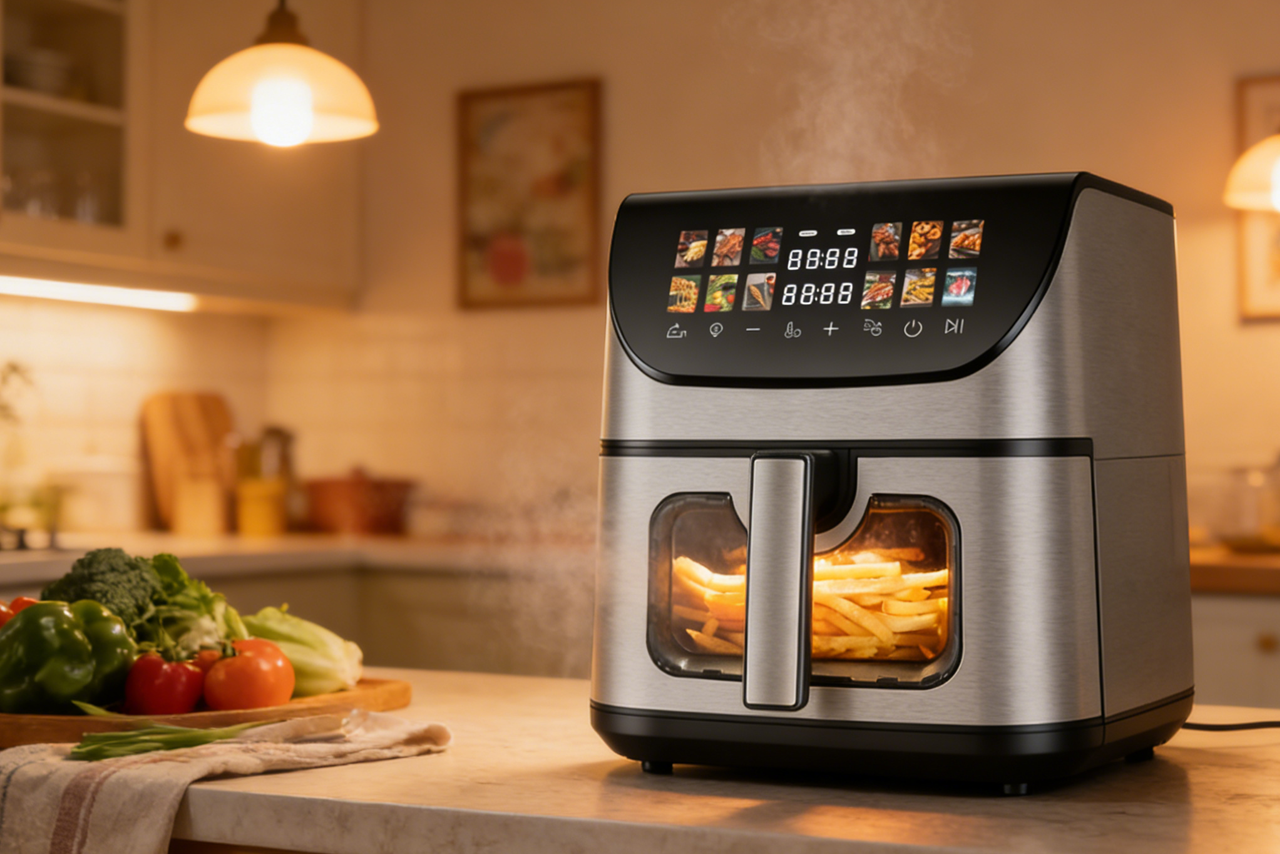
- Air fryers
- Electric steamers
- Multi-functional cookers
- Ice makers
These appliances are designed to reduce cooking time and energy usage, making them highly attractive to modern consumers.
How B2B Buyers Can Respond to Energy Trends
To stay competitive, importers and distributors should focus on:
1. Sourcing Energy-Efficient Products
Look for manufacturers that prioritize:
- Advanced heating technology
- Smart sensors
- Optimized power usage
2. Offering Multi-Functional Appliances
Products that combine multiple cooking methods reduce overall electricity consumption.
3. Highlighting Energy Savings in Marketing
End users are more likely to purchase appliances that:
- Lower electricity bills
- Support sustainable living
Ningbo Minhua: Powering the Future of Smart, Efficient Appliances
As a professional manufacturer of small kitchen appliances, Ningbo Minhua Electrical Technology Co., Ltd. is committed to developing energy-efficient and high-performance products.
Our product range includes:
- Advanced air fryers
- Multi-functional electric steamers
- Electric hot pots
- Ice makers
By integrating smart technology and efficient heating systems, we help global partners deliver appliances that meet modern energy standards while enhancing user convenience.
Conclusion
Understanding which home appliances use the most electricity is crucial for making informed sourcing decisions. As energy efficiency becomes a defining factor in purchasing behavior, B2B buyers must adapt by selecting innovative, low-consumption products.
Partnering with the right manufacturer can help you stay ahead of market trends, reduce costs, and build a stronger competitive edge in the global appliance industry.


